
Match Factory!
PeakPuzzle
4.724.69K Reviews
- Version
- 1.80.74
- Installs
- 10.00M
- Age Rating
- Everyone
Screenshots
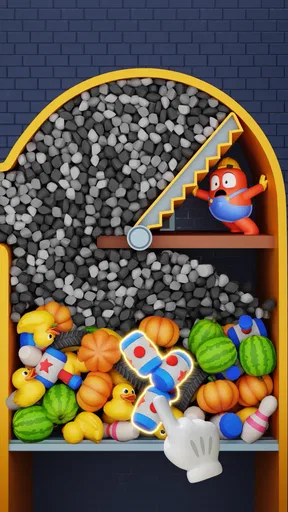
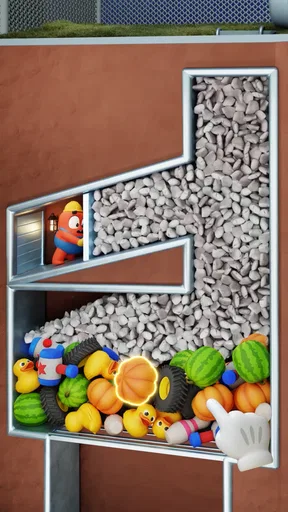
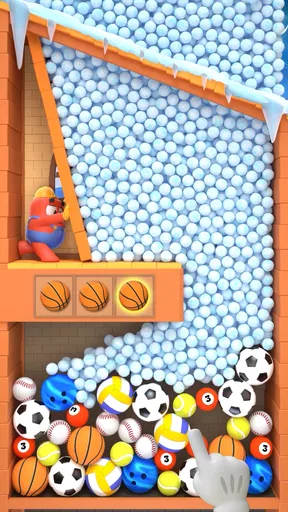
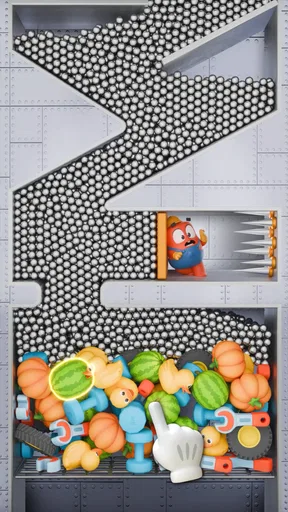
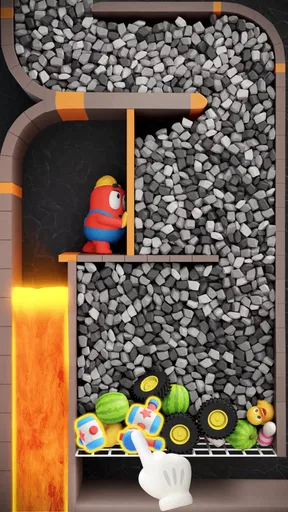
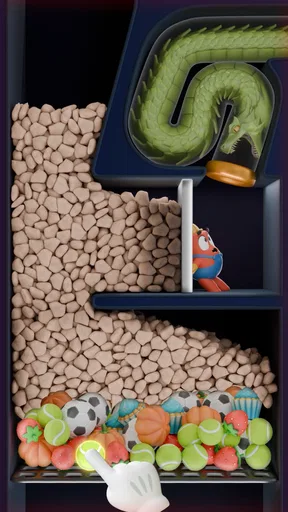
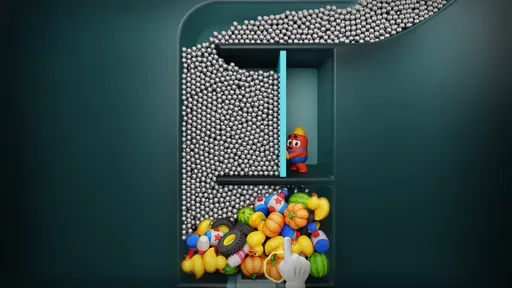
Our Review of Match Factory!
 Analysis by Appyee
I reach for Match Factory! when I want a quick puzzle that asks for more attention than a mindless tap but doesn’t require me to learn a complicated rule set. Its bright objects and brisk matching make it easy to start, while the pressure of choosing what to clear keeps a short session from feeling completely automatic. That balance is the game’s main appeal—and also the reason it may not suit someone who wants a slow, interruption-free puzzler.
Where the game stands now
Made by Peak, this free puzzle game has built a large audience: it has a 4.7 average from around 601,000 ratings and more than 10 million installs. It is rated for Everyone, so its general presentation is approachable for a broad range of players. The current version is 1.61.35, and the game first appeared on December 21, 2023. Those details give a useful snapshot of its present identity, but they don’t tell me how every level will feel; the actual test is whether its matching loop stays enjoyable after the novelty wears off.
For me, the central appeal is the combination of familiar matching and a three-dimensional field of objects. Instead of treating every move as a simple swap on a flat grid, I have to scan the visible pile and decide which matching pieces are worth collecting. That small change makes observation part of the puzzle. A move can be legal and still be unhelpful if it fills the available space with pieces I can’t use soon.
Learning the rhythm, not just the rules
The early stages make the basic idea approachable, but the more useful skill is learning to look beyond the first obvious match. I try to notice which objects are exposed, which are likely to become available after a clear, and whether a tempting match will leave a messy collection behind. This is a practical habit for anyone who gets stuck: pause for a moment before tapping, and compare the available triples rather than taking the first one you see.
That extra scan is especially helpful when the board begins to feel crowded. I treat open space as a resource, not just an empty area, because collecting mismatched objects can leave fewer useful choices for the next move. If I am playing casually, I don’t mind making a less-than-perfect choice; when I want to finish a difficult stage, slowing down is more valuable than tapping quickly. It makes the game feel like a small visual-planning exercise rather than a reflex test alone.
How progression changes the experience
The game introduces tougher situations as I progress, so the opening stretch is not a complete guide to what later play demands. Timers and special tiles add pressure or change the value of a move, and that can shift my approach from leisurely matching to prioritizing what needs attention first. I appreciate that variation, although the time element is a genuine trade-off: it can make a level more lively, but it can also make a relaxing session feel hurried.
Bonuses and power-ups offer a way through difficult moments, but I get more out of them when I use them deliberately instead of treating them as a routine shortcut. If I’m close to clearing a stage, a boost may be more useful than spending it early to save a few seconds. The leaderboard can add a personal competitive nudge, especially if friends are playing, though it isn’t the main reason I would recommend the game. Someone who prefers puzzles without a score comparison can simply focus on solving the board.
Who will enjoy this particular puzzle
This is a good fit for short breaks: waiting for a ride, sitting down with a cup of tea, or taking a pause between tasks. I like that I can understand the immediate objective quickly, then decide whether I want one more level or a longer session. It suits people who enjoy scanning clutter, spotting repeated objects, and making small decisions under mild pressure.
It is less suitable if you want a calm game with no timers, no temptation to spend, and no changing pace. A traditional untimed tile-matching puzzle may be a better choice when you want to think slowly without a countdown. A word puzzle is a stronger alternative if you want language practice, while a classic match-three board game may be preferable if you specifically enjoy swapping tiles on a grid. Match Factory’s appeal comes from recognizing objects in a piled-up scene, so that visual search is the part to consider before installing.
Spending, ads, and the point where patience matters
The game is free to download, but in-app purchases range from $0.99 to $199.99 per item. That wide range is worth keeping in mind if you share a device or are prone to buying a boost when a level gets frustrating. I’d start by playing without paying and decide whether the challenge is still enjoyable on its own. A purchase can make sense for someone who values convenience, but it isn’t a requirement for understanding the core puzzle.
Ads are part of the experience, and the original presentation describes optional rewarded viewing for extra perks. I see that as a trade: watching can be worthwhile when I want a little help, but it adds a pause to a game whose best use is often a quick break. If uninterrupted play matters more to you than free access, that friction may be a reason to choose a paid puzzle instead. The right choice depends on whether you’d rather accept ads, wait, or spend.
What the version history can—and cannot—tell me
The release date and current version show that this is an established game with an ongoing version line, rather than a newly launched puzzle. That is useful context for someone deciding whether to try it: the game has had time to find an audience, and its current build is the one a new player encounters. But a version number alone doesn’t explain which mechanics or levels changed along the way, so I wouldn’t treat it as proof that a specific feature has recently improved.
For an existing player, the practical question is whether the current build still fits the way you like to play. If you enjoy its object-search format and can accept occasional pressure, the familiar loop remains the reason to return. If your frustration comes from timers, crowded boards, or the urge to use a power-up, those are preferences to weigh rather than issues a new version number automatically resolves. I’d watch future changes for clearer pacing or fresh ways to use the board, while judging them by how they affect actual play rather than by version labels alone.
Small habits that make sessions smoother
One useful routine is to scan the entire visible pile before collecting anything, then choose a triple that opens options rather than merely clearing the nearest match. When a level has a timer, I use a quicker first scan and reserve the longer consideration for moments when several choices look equally good. This avoids the opposite extremes of tapping blindly and overthinking every move until the clock becomes the real obstacle.
I also try to separate a genuine puzzle problem from a tired-player problem. If I’ve made several rushed moves and the board looks harder to read, taking a brief pause can be more useful than immediately reaching for a boost. On the other hand, if I’m enjoying the pressure and only have a minute, a quick attempt is perfectly reasonable; not every session needs to be optimized. That flexibility is part of why the game works for casual play, even though its timed stages won’t feel casual to everyone.
Before installing, it is sensible to consider the device and the setting where you’ll play. The minimum operating-system requirement is 7.0, which helps establish whether an older device meets the stated baseline. For children, the Everyone rating indicates a broadly suitable content classification, while purchases are still something a parent may want to manage on a shared device. And if you are wondering whether paying is necessary, my answer is no for trying the basic experience; spending is a personal convenience choice, not the entry fee.
Compared with a standard match-three game, this one asks me to inspect a layered collection of objects rather than plan only around a fixed grid. Compared with a quiet untimed matching game, it can be more urgent and visually busy. Neither approach is universally better: the right alternative depends on whether you want spatial searching, deliberate tile planning, or a puzzle that tests words and knowledge instead. I would choose this game when I want quick visual decisions, and switch to another format when I want a slower pace or a different kind of thinking.
Getting Started with Match Factory!
When you first launch Match Factory!, you’re greeted with vibrant colors and a playful design that instantly puts you in a good mood. The onboarding process is smooth and intuitive, guiding you through the basics without overwhelming you with too much information at once. It’s like the game knows you’re here to relax, and it respects that.
The premise is simple yet addictive: match three or more identical items to clear them from the board. But don’t be fooled by its simplicity. As you progress, the levels become trickier, introducing new challenges and obstacles that keep you on your toes.
The Gameplay Experience
One of the things I absolutely love about Match Factory! is how easy it is to pick up and play. The controls are straightforward: just swipe to match. But the game doesn’t just rest on the laurels of its simplicity. It cleverly introduces elements like timers and special tiles that spice things up. You might find yourself strategizing your next move more than you expected!
There’s also a satisfying sense of accomplishment when you clear a particularly challenging level. The game rewards you with bonuses and power-ups that can be real game-changers. Plus, there’s a leaderboard feature for those who enjoy a bit of friendly competition. I found myself checking it frequently, eager to see if I’d finally surpassed my friends.
Visuals and Soundtrack
The graphics in Match Factory! are nothing short of delightful. The developers have done an excellent job of creating a visually appealing environment that doesn’t strain the eyes. Each level has its unique theme, keeping the aesthetic fresh and engaging. It’s like stepping into a new world every time you advance to a higher level.
The soundtrack deserves a mention, too. It’s upbeat and catchy without being intrusive, setting the perfect background tone for your gaming session. Sometimes, I catch myself humming the tunes even when I’m not playing!
In-Game Purchases and Ads
Now, let’s talk about the elephant in the room: in-game purchases and ads. Match Factory! offers in-app purchases, which can give you extra lives or additional power-ups. While they’re not necessary to enjoy the game, they can be tempting, especially when you’re stuck on a hard level.
As for ads, they are present but not overly intrusive. The developers have struck a nice balance by offering rewards for watching ads, so if you’re willing to sit through a few, you’ll get some extra perks. It’s a fair trade-off, in my opinion.
Final Thoughts
In the sea of mobile games available today, Match Factory! stands out with its charming visuals, engaging gameplay, and perfect balance of challenge and accessibility. It’s a game that respects your time and offers genuine enjoyment without demanding too much from you.
Whether you’re a casual gamer looking for something light-hearted to pass the time or a seasoned player seeking a new puzzle challenge, Match Factory! has something to offer. So, why not give it a try? You might just find it as delightful as I did.
Privacy and Permissions
See what permissions an app requests and how it handles your data.
- Wi-Fi connection information
- view Wi-Fi connections
- Other
- view network connections, full network access, control vibration, prevent device from sleeping, Google Play license check
Verdict
Strengths of Match Factory!
- User-friendly interface makes navigation simple.
- Wide variety of levels keeps gameplay fresh.
- Colorful graphics enhance visual appeal.
- Engaging puzzles improve cognitive skills.
- Smooth performance with minimal lag.
Limitations of Match Factory!
- In-app purchases can be quite expensive.
- Occasional ads interrupt gameplay.
- Some levels may feel repetitive.
- Requires constant internet connection.
- Limited hints can hinder progress.
Other Releases by Peak
View All


Similar Picks in This Category
View All
Block Blast!
HungryStudio4.8

Braindom: Brain Games Test
Lahana Game Studio4.6

AMAZE!
CrazyLabs LTD4.6

Sudoku - Classic Sudoku Puzzle
Oakever Games4.7

Art Puzzle - Puzzle Games
Easybrain4.8

Amaze GO!
Oakever Games4.9
Frequently Asked Questions
What is Match Factory! and how does it work?
Match Factory! is a puzzle game designed for both Android and iOS platforms. It challenges players to match and align objects to clear levels and earn points. The game is structured with increasingly difficult stages, requiring strategic thinking and quick reflexes. It’s suitable for all ages, offering both fun and mental exercises.
Are there in-app purchases available in Match Factory!?
Yes, Match Factory! offers in-app purchases. Players can buy additional lives, power-ups, and special items to enhance their gaming experience. While the game is free to download, these purchases can provide advantages and help progress through challenging levels more easily.
Do I need an internet connection to play Match Factory!?
Match Factory! does not require a constant internet connection for basic gameplay. However, certain features, such as leaderboards and in-game events, may need internet access. It’s also necessary for downloading updates and making in-app purchases. Offline play is available for the core game.
How can I ensure my progress is saved in Match Factory!?
To ensure your progress is saved, it’s recommended to connect your game to a social media account or a cloud service. This will allow you to retrieve your progress on different devices or after reinstalling the app. Always check the app’s settings for options to sync or back up your data.
Is Match Factory! suitable for children?
Match Factory! is designed to be family-friendly and is suitable for players of all ages. The game’s content is safe for children, and it encourages cognitive skills through problem-solving and strategic planning. However, parents should be mindful of in-app purchases and set restrictions as needed.
Play our best games!


